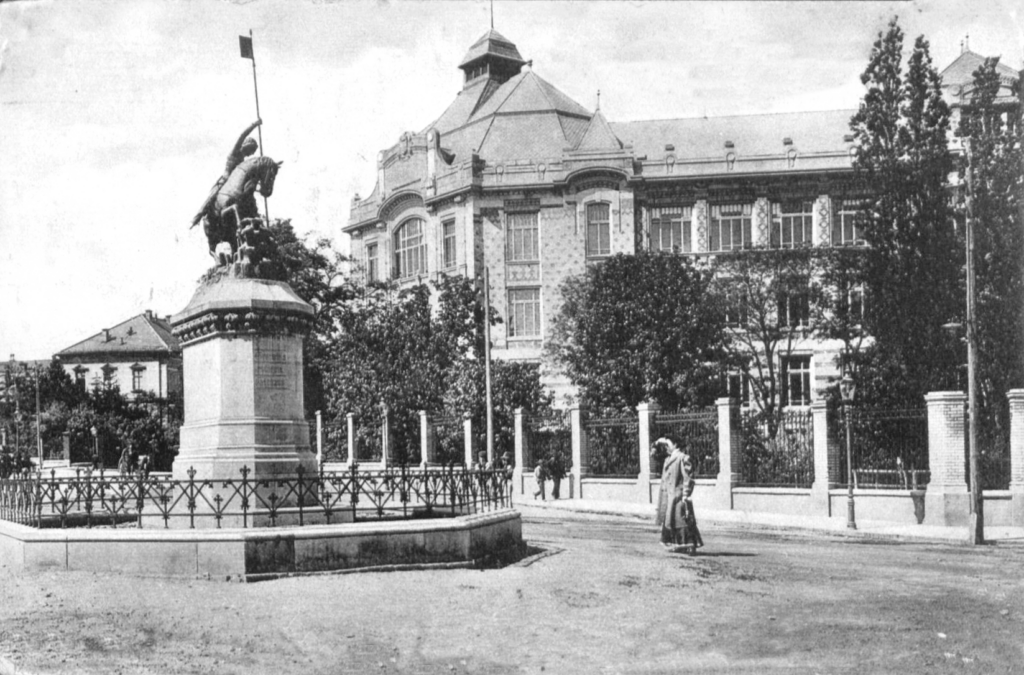
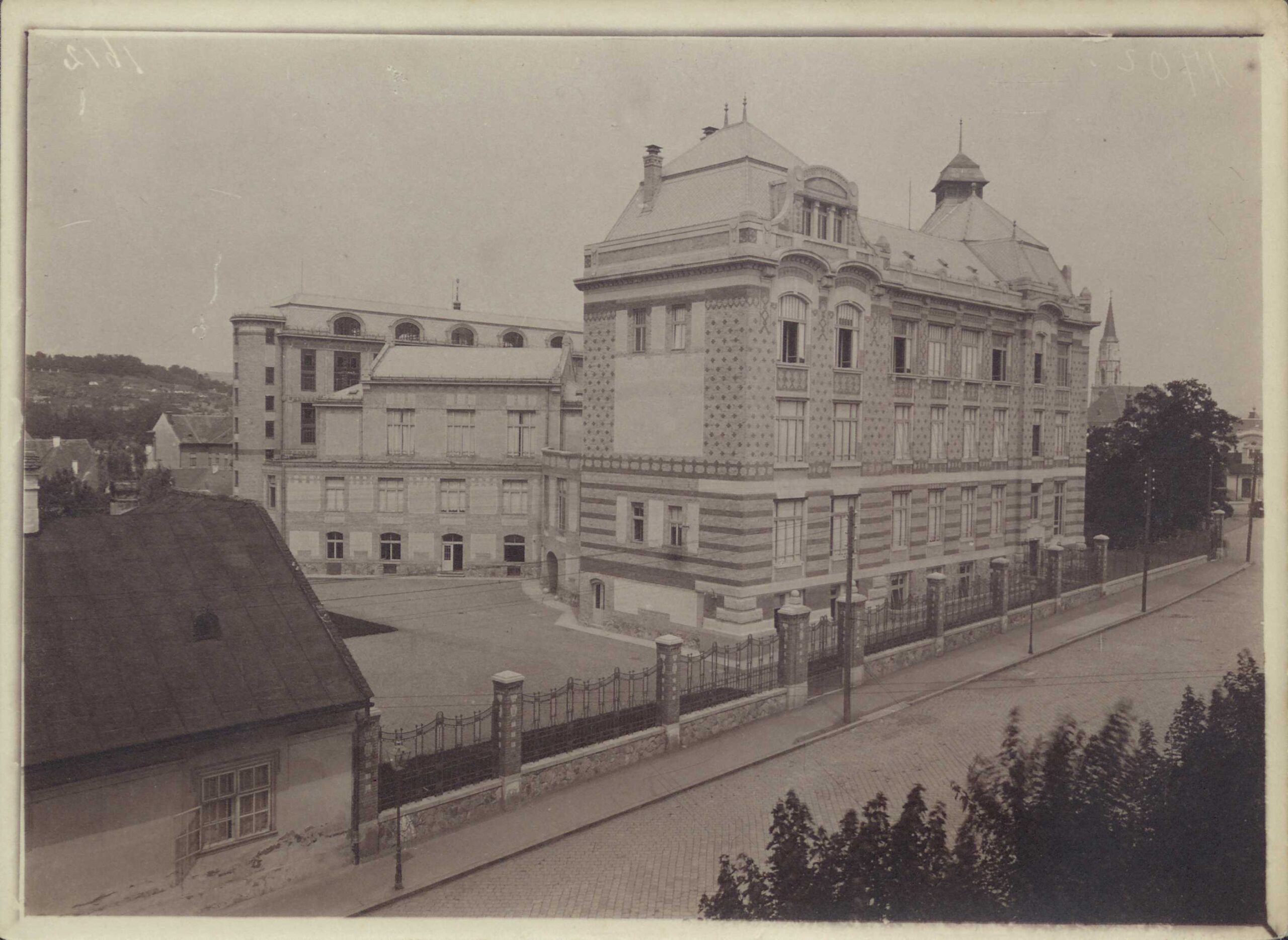
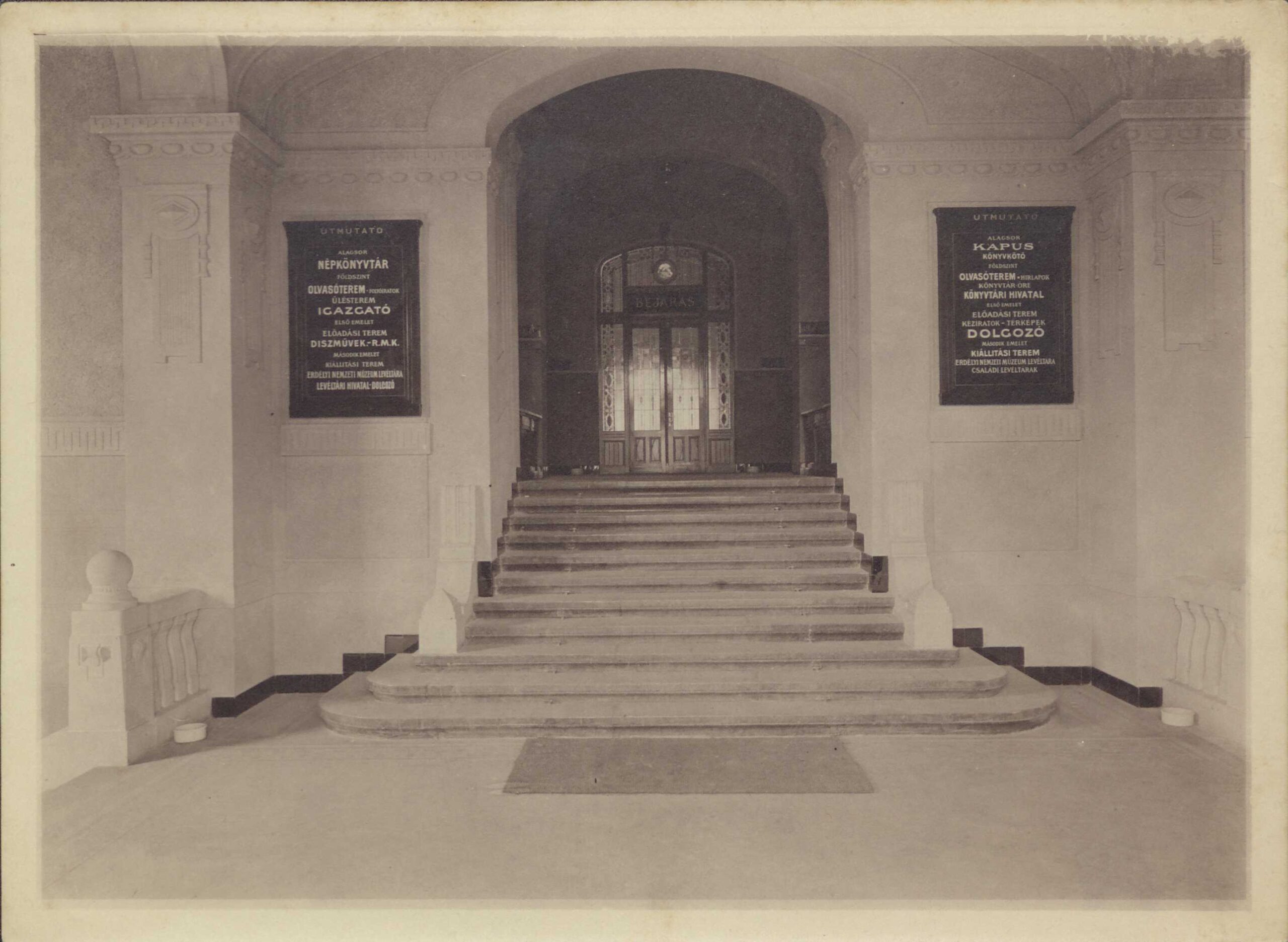
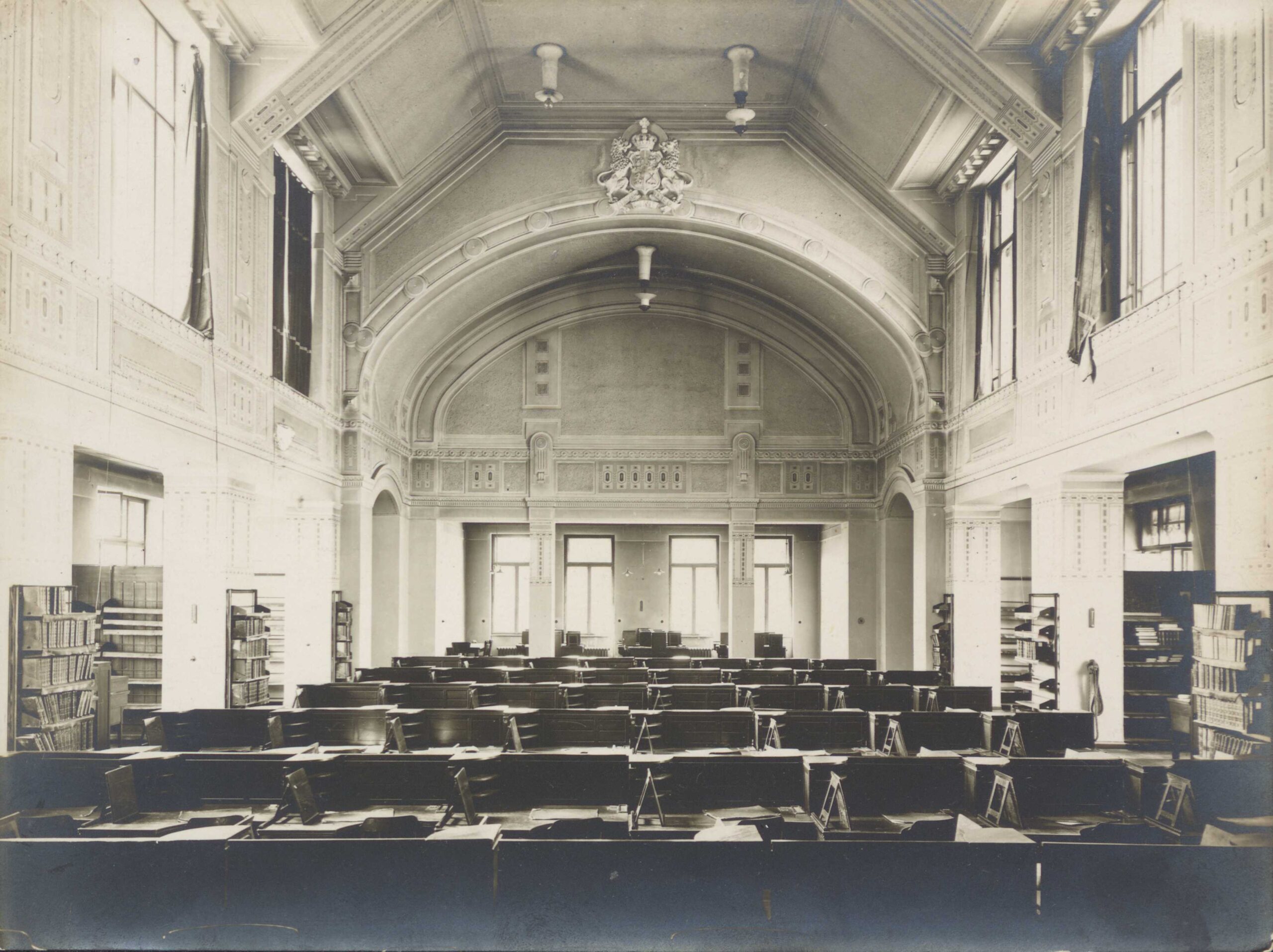
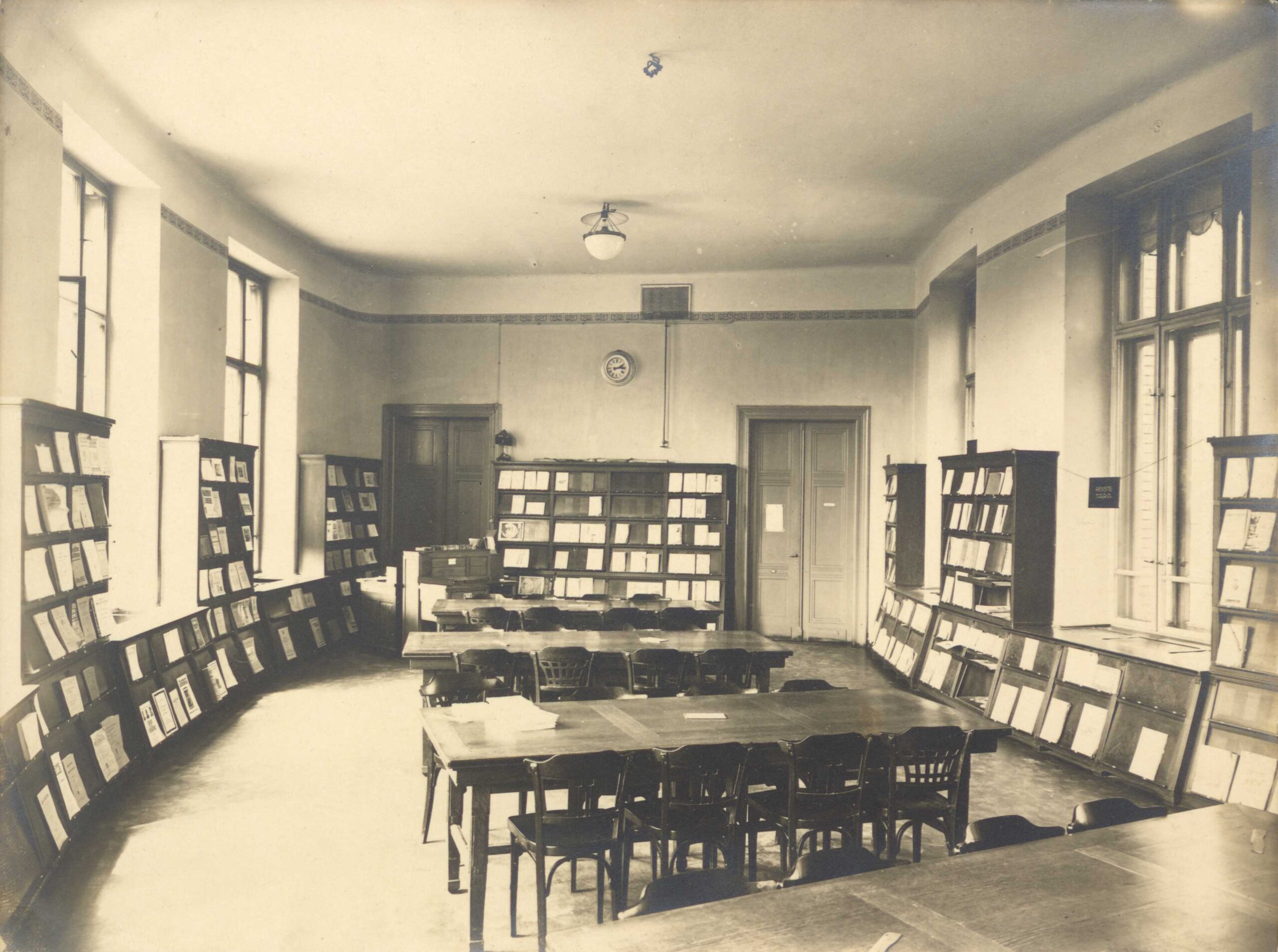
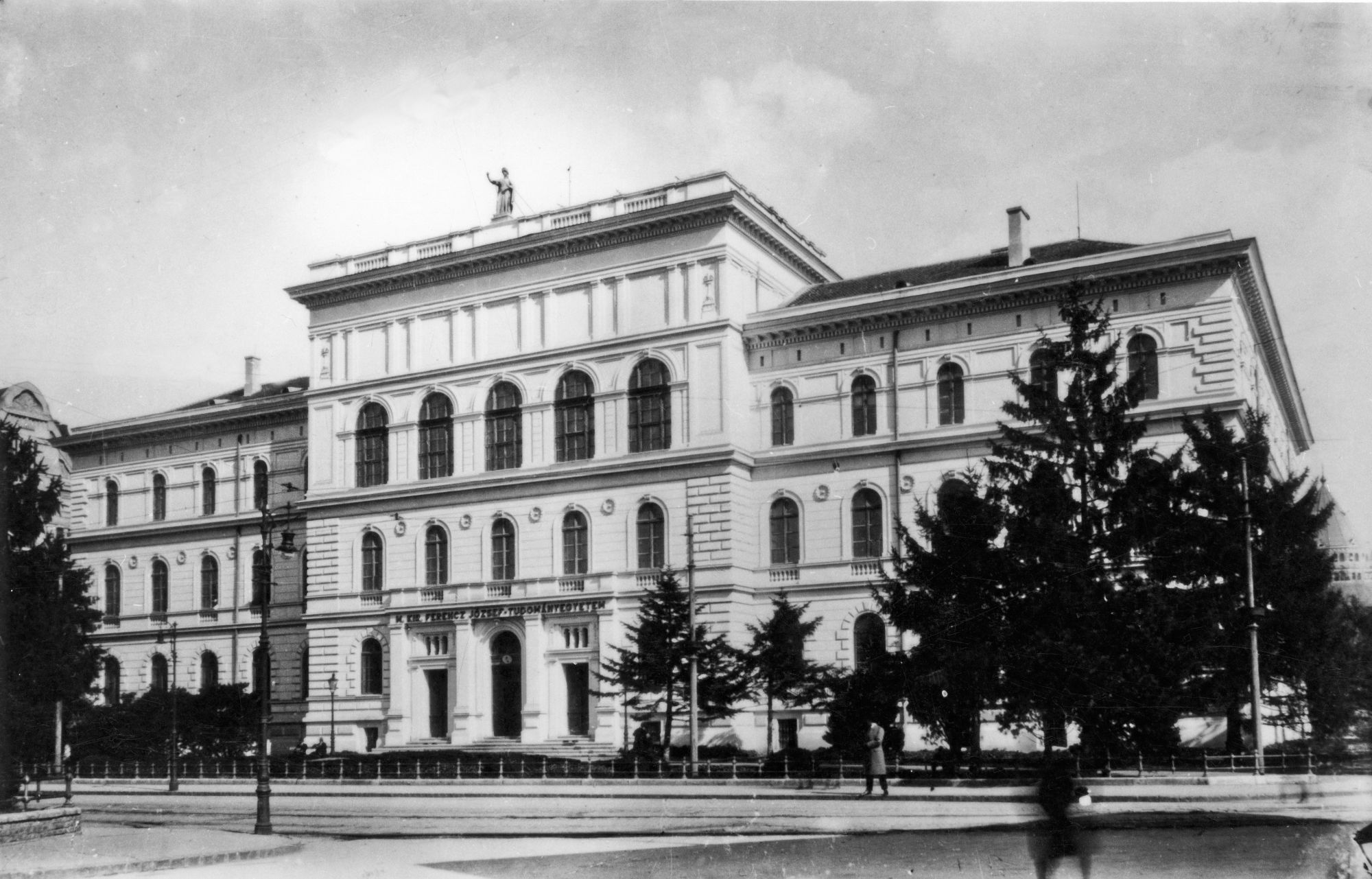
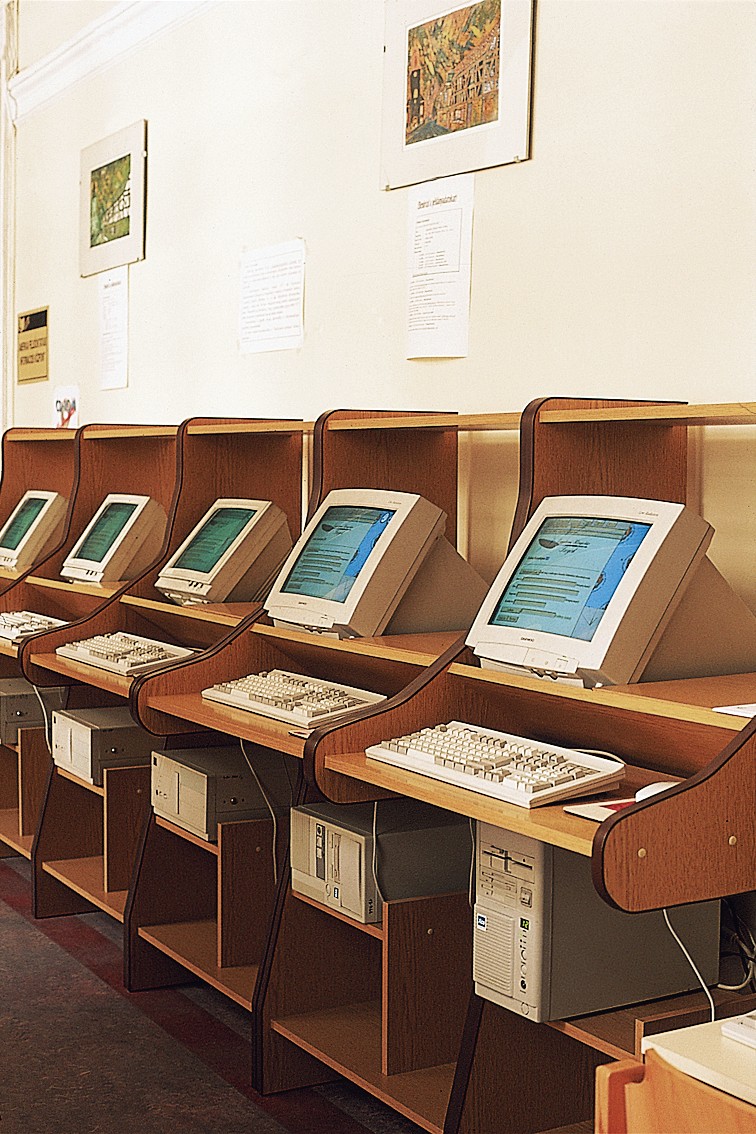
After the peace treaties following World War I, the Ferenc József University of Kolozsvár (today: Cluj Napoca, Romania) moved to Szeged in 1921. However, as all other properties of the University, its library remained there. Two rooms in the Dugonics square building were given to the Library in the academic year of 1921/22 and its holdings was set up from surplus copies of other large libraries: The Széchényi Library of the Hungarian National Museum provided 11.000, the Budapest University Library 9600, the Municipal Library 5700, the Library of the Academy 5000 items to the newly founded collection. Later almost half of the acquisitions came from the prosecutor’s office as deposit copies, and as a consequence in July of 1922 the Library already had a 50.000 items holdings. Gifts of professors and collectors, acquisitions of private libraries also enriched the collection: between 1922 and 1924 bequests (3000 copies each) of Géza Tarnovszky, Károly Lechner and Sándor Imre, between 1924-1930 the library of Sándor Márki (10.000 books), between 1930-32 libraries of Lajos Dézsi (2000 copies) and Sándor Gyuritza (3000 books) were added to the holdings. The reading room was opened in 1924: there were 100 seats in 1925 and 140 in 1952.
In 1945 a systematic development commenced which, from 1952, was supported by a strong cooperation between the departmental libraries and the main library. The Library also received items from the ecclesiastical and aristocratic collections secularized between 1949 and 1952. It was this time when the library of the Franciscan monastery of Szeged and the near 5000 item large collection of the Eszterházy family were included in the holdings of the Library. In the 1960s book and periodical purchases from abroad largely increased. New catalogs with new type of descriptions were created and several new services were introduced. The beginning of the 1990s brought a new stage in the development of the Library: buying an integrated library system and automating library procedures the holdings of the Library could be accessed through an online catalog. The University Library became one of the most dynamic collection and institution of the country.
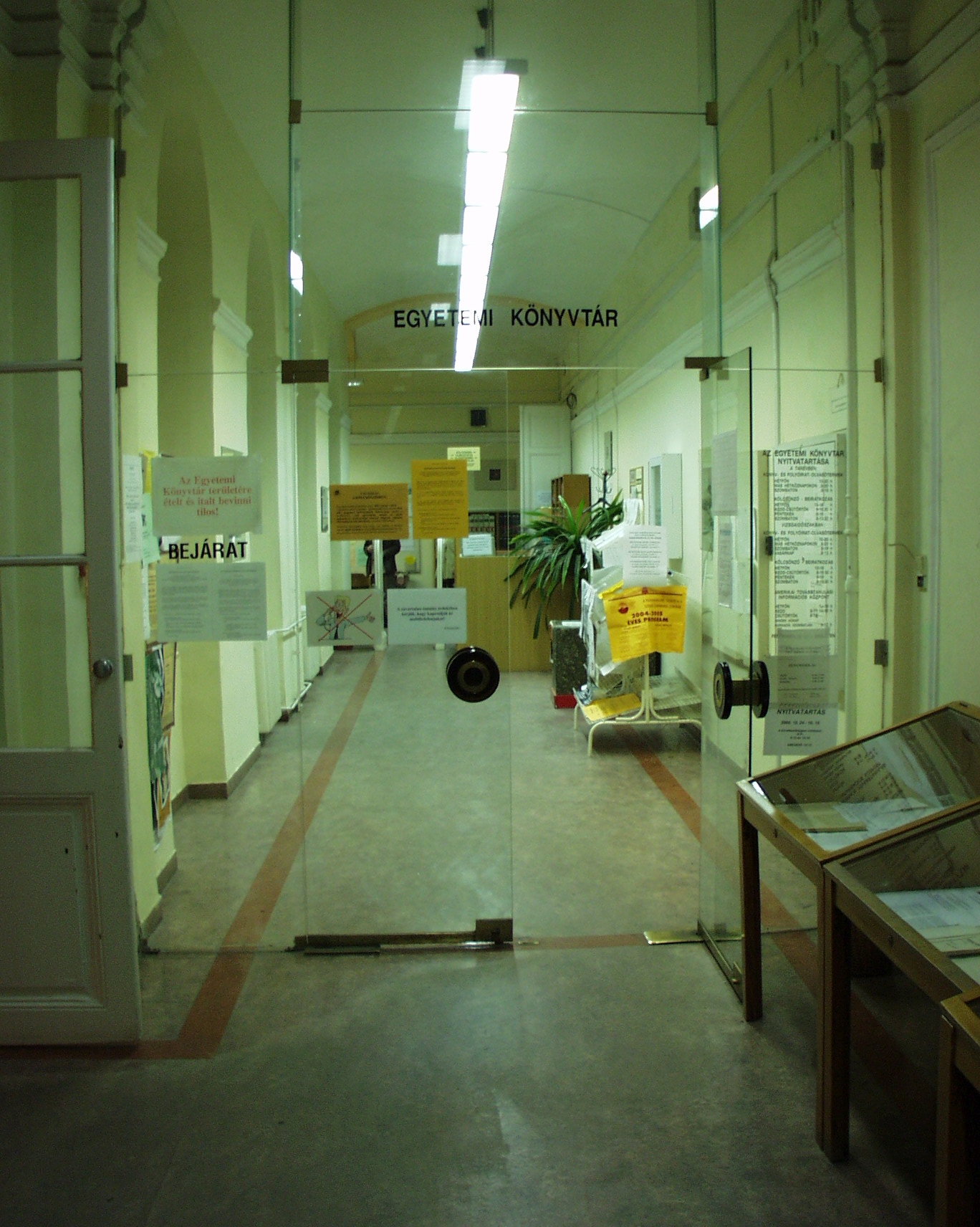
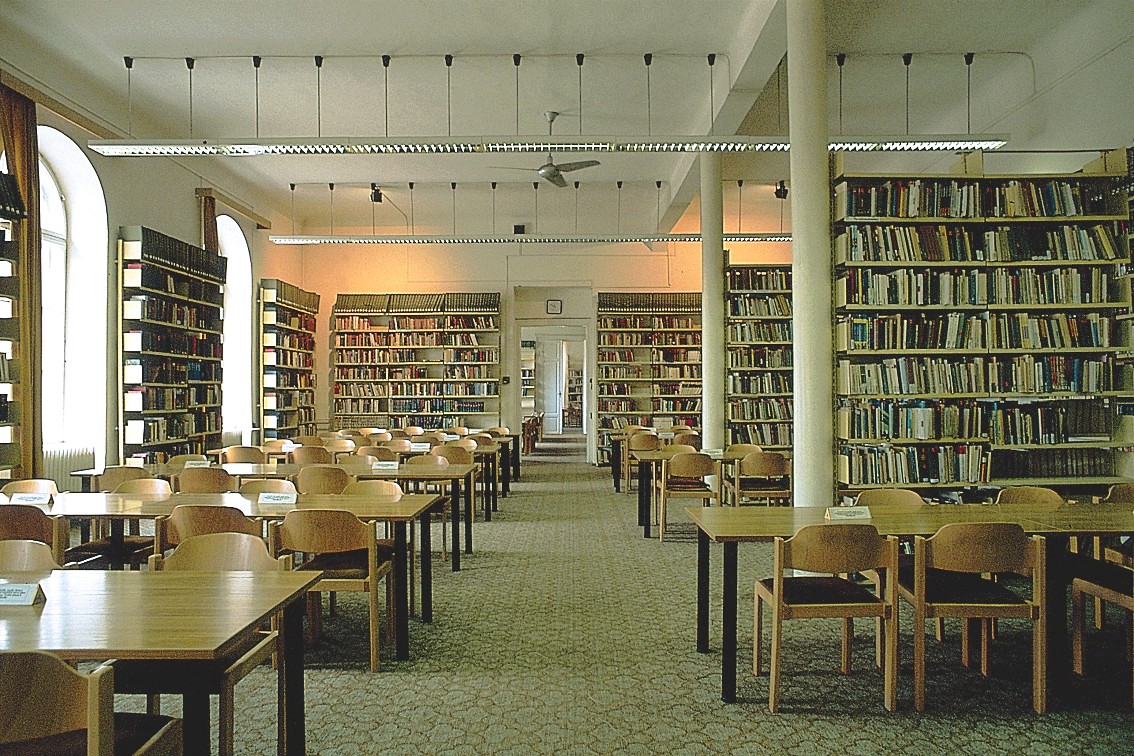
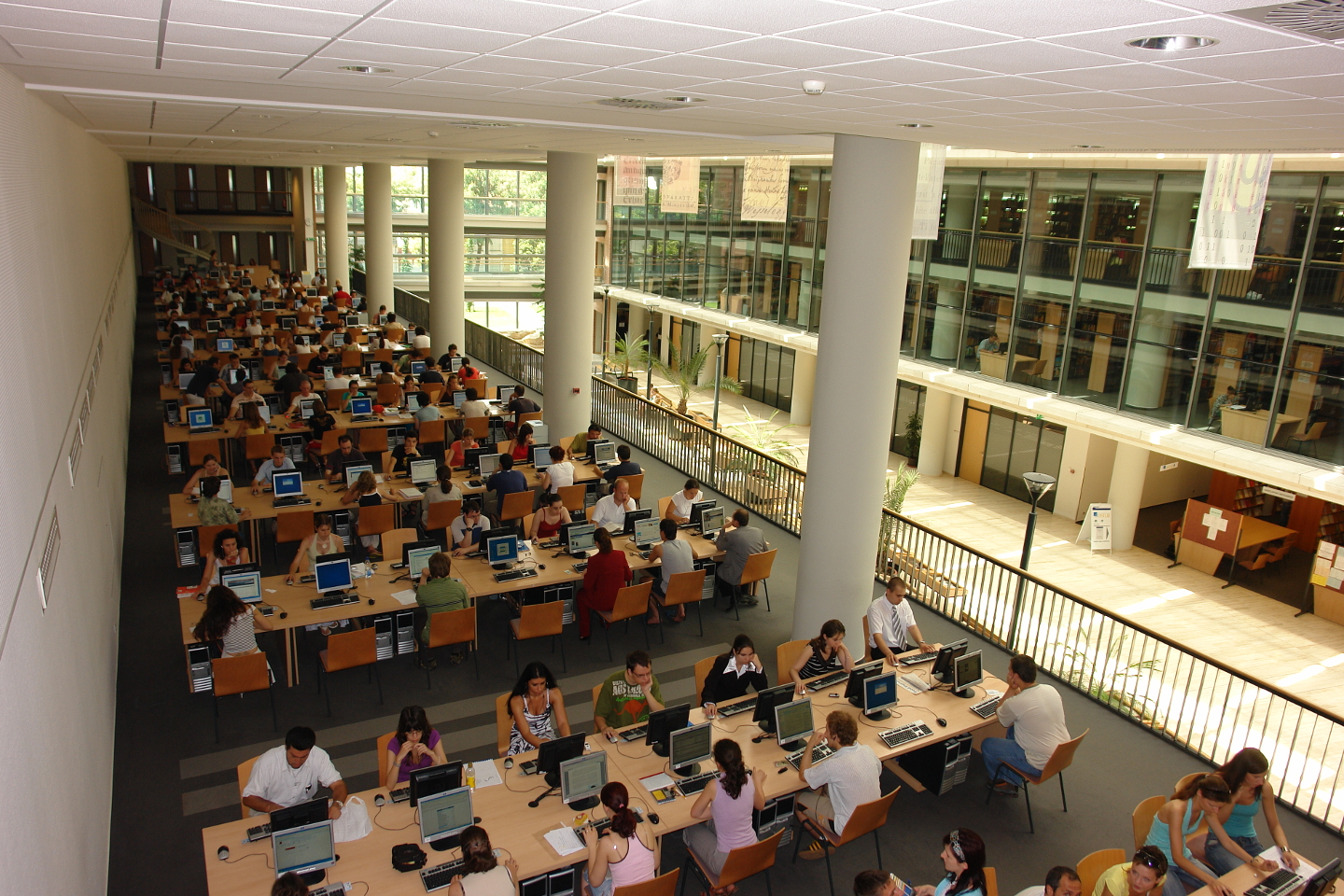
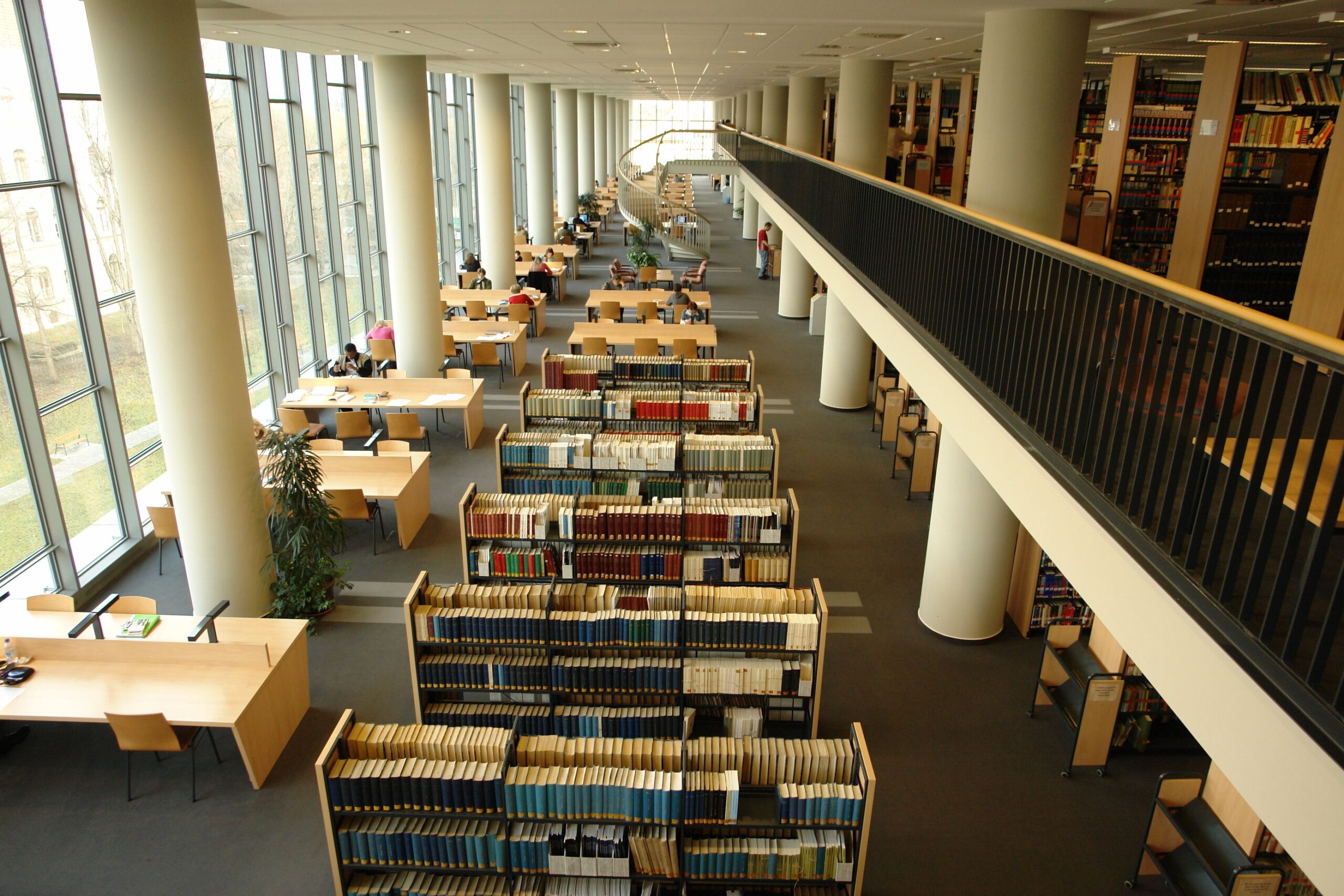
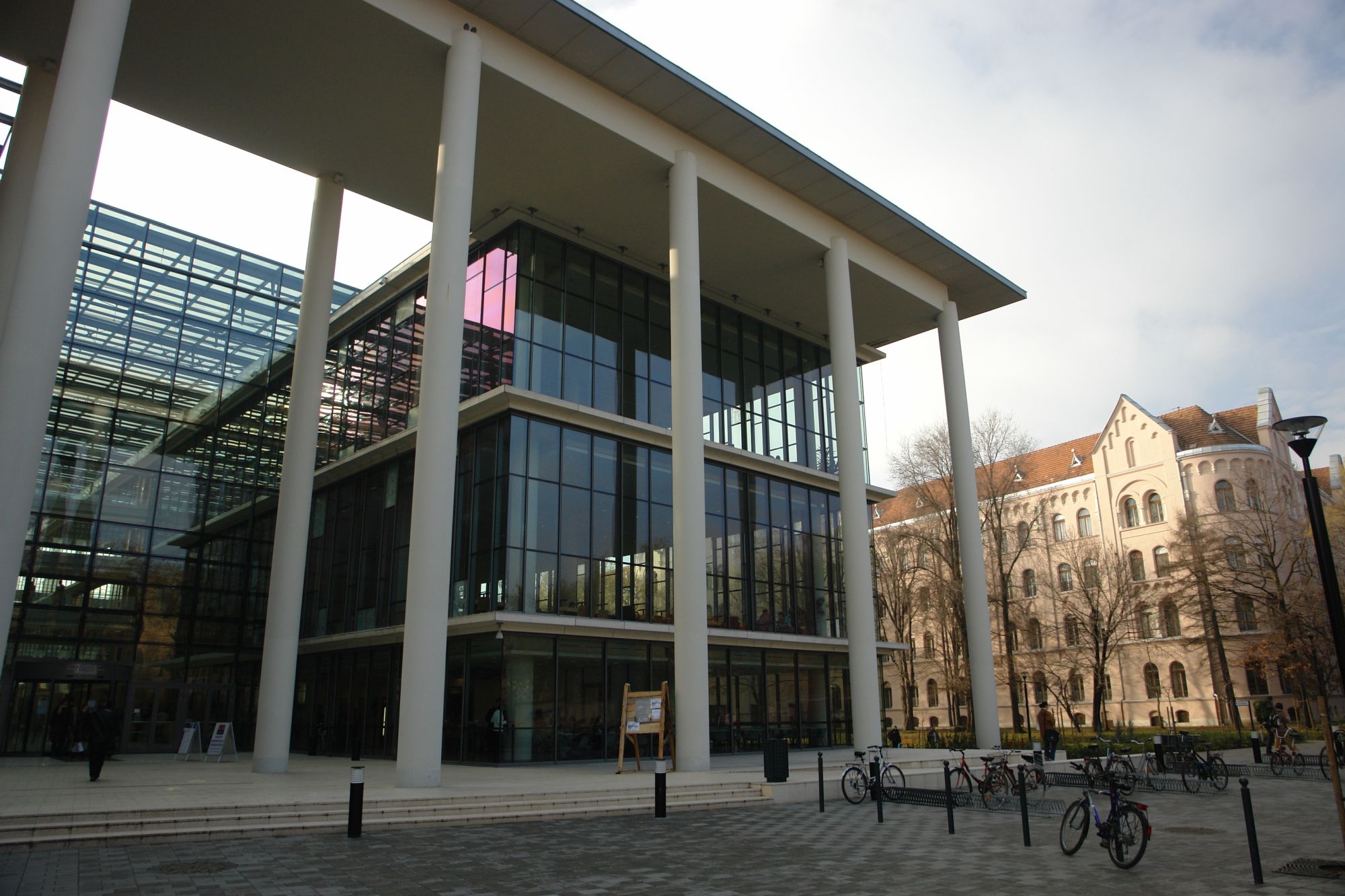
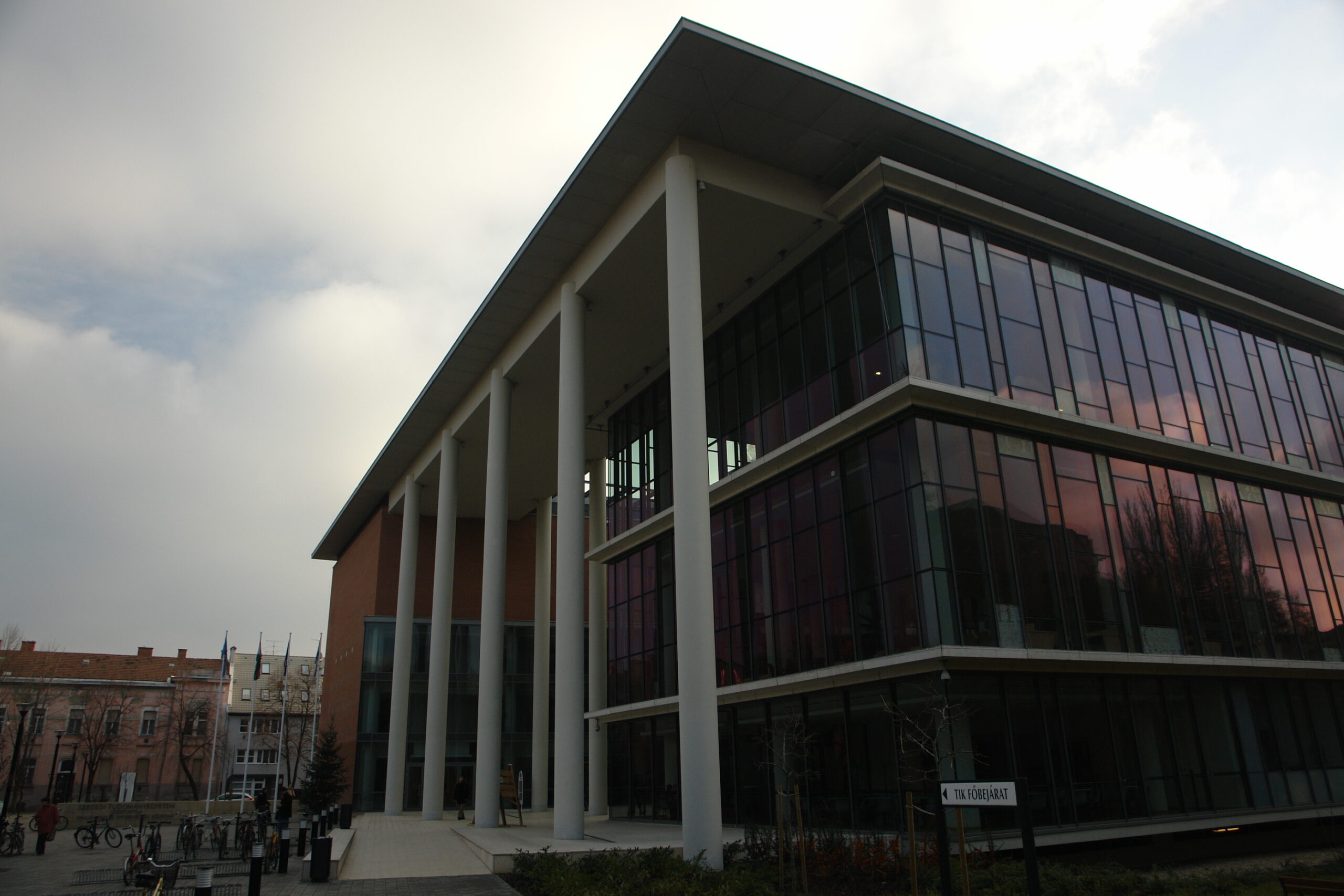
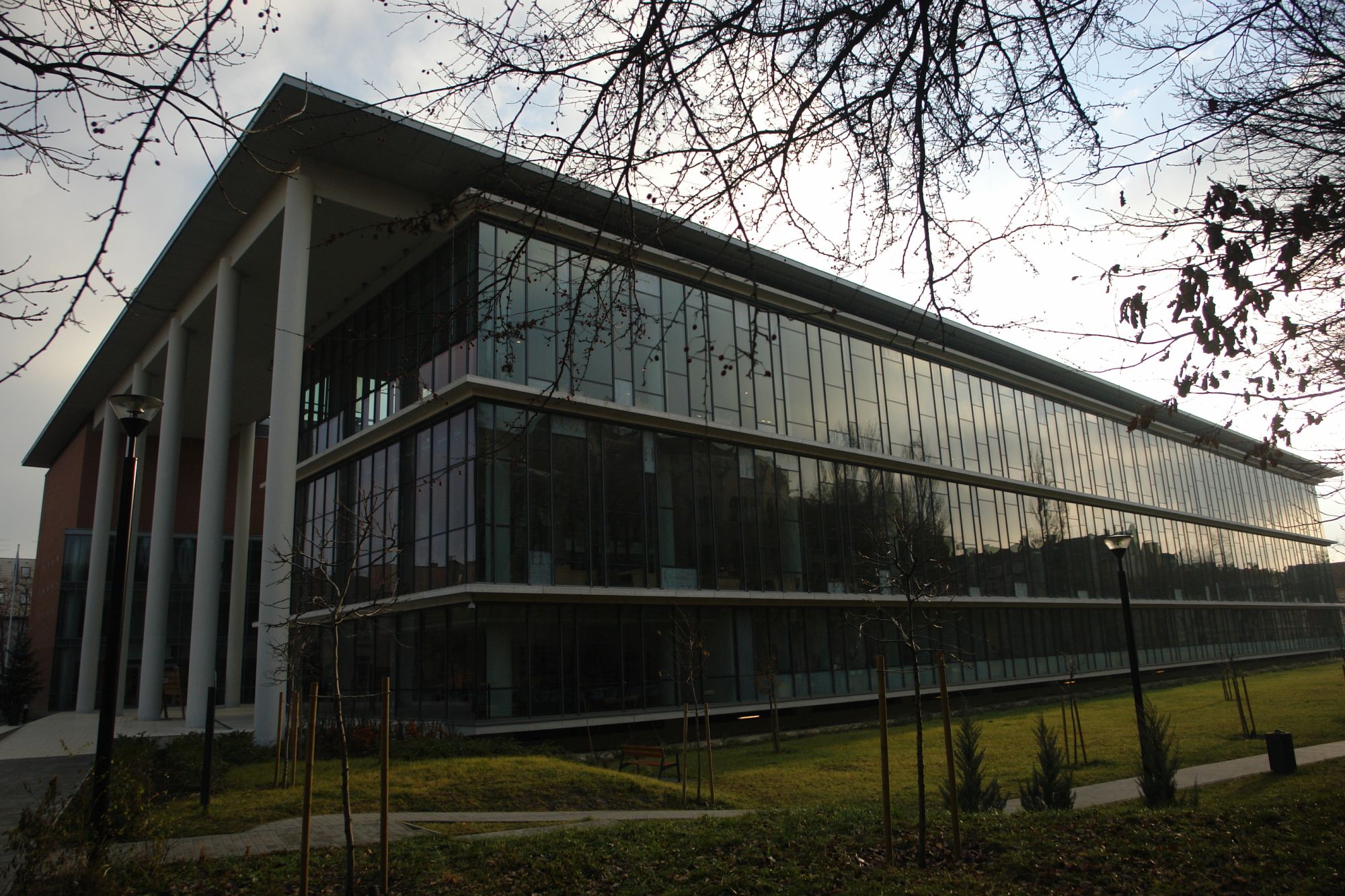
Then a paradigm like change in the usage of the library and its services, still determining our presence, took place in 2004 by the opening of the new building of the University Library. Multiplying seats and workstations that provide access to electronic resources, as well as the integration of the library collections of other university units, our library now holds and provides access to a total of more than 1.500.000 documents, of which approximately 500,000 are available on public shelves. Today, our institution is one of the largest university libraries in Central Europe and the largest scientific and public library in the Southern Great Plain region. The multifunctional building that houses the library is called the József Attila Study and Information Center.
On November 11th, 2011 the Rector of the University announced that the Senate of the University of Szeged had approved the name change of the University Library. This institution had previously been called University of Szeged, University Library. The new name of the institution from that day is University of Szeged, Klebelsberg Library. The main reason behind the name change was to pay tribute to Kuno Klebelsberg, former Minister of Religion and Public Education. In 2012, a relief depicting the portrait of Kuno Klebelsberg was installed in the atrium.
Since January 1, 2014, our library has also included the Library of Faculty of Agriculture in Hódmezővásárhely. Since June 1, 2025, following the organisational integration of the University Archives, we have been operating under the name SZTE Klebelsberg Library and Archives.
True to the spirit of Klebelsberg, we are committed to providing high-quality services in education and research. In 2010, we received the award „A Könyvtárügyért” (translates as „For the library affairs”), and in 2012, we introduced a quality management system, under which we regularly review and continuously improve our operations.
Supporting the scientific activities of our university is one of our priority tasks. This is served by the Contenta Repositories, which was created in the early 2010s and has been under continuous development ever since. It is not only a collection of digitally created university documents (teaching materials, publications, dissertations, theses, research data, minutes, etc.), but also a valuable and unique repository of digitized memories of our shared past (university history photos, audio recordings, manuscripts, etc.).
We appreciate the former and current members of the University of Szeged and those who have worked hard for it. We organize exhibitions and create online educational materials in their honour, such as those about Albert Szent-Györgyi, Katalin Karikó, and Kunó Klebelsberg. Those who have done a lot for our library are honored with Lifetime Library Membership.
A selection of images from the library